Senior Product Designer · Enterprise UX

I make messy systems easier to use.

12+ years in design, the last five in enterprise product. I built and led a design department from the ground up, and I design enterprise products, internal tools, and the operational systems behind them.

View my work

View my work

View my work

Senior Product Designer · Enterprise UX

I make messy systems easier to use.

12+ years in design, the last five in enterprise product. I built and led a design department from the ground up, and I design enterprise products, internal tools, and the operational systems behind them.

View my work

Enterprise clients, through Vectorform and Savage Innovations

Lear Logo
Lear Logo
Apex Recycling
Apex Recycling
Mitsubishi power
Mitsubishi power
Jaris logo
Jaris logo
DTE Logo
DTE Logo
Bose logo
Bose logo

About me

I've led a design team, and I've built systems from scratch when there wasn't one.
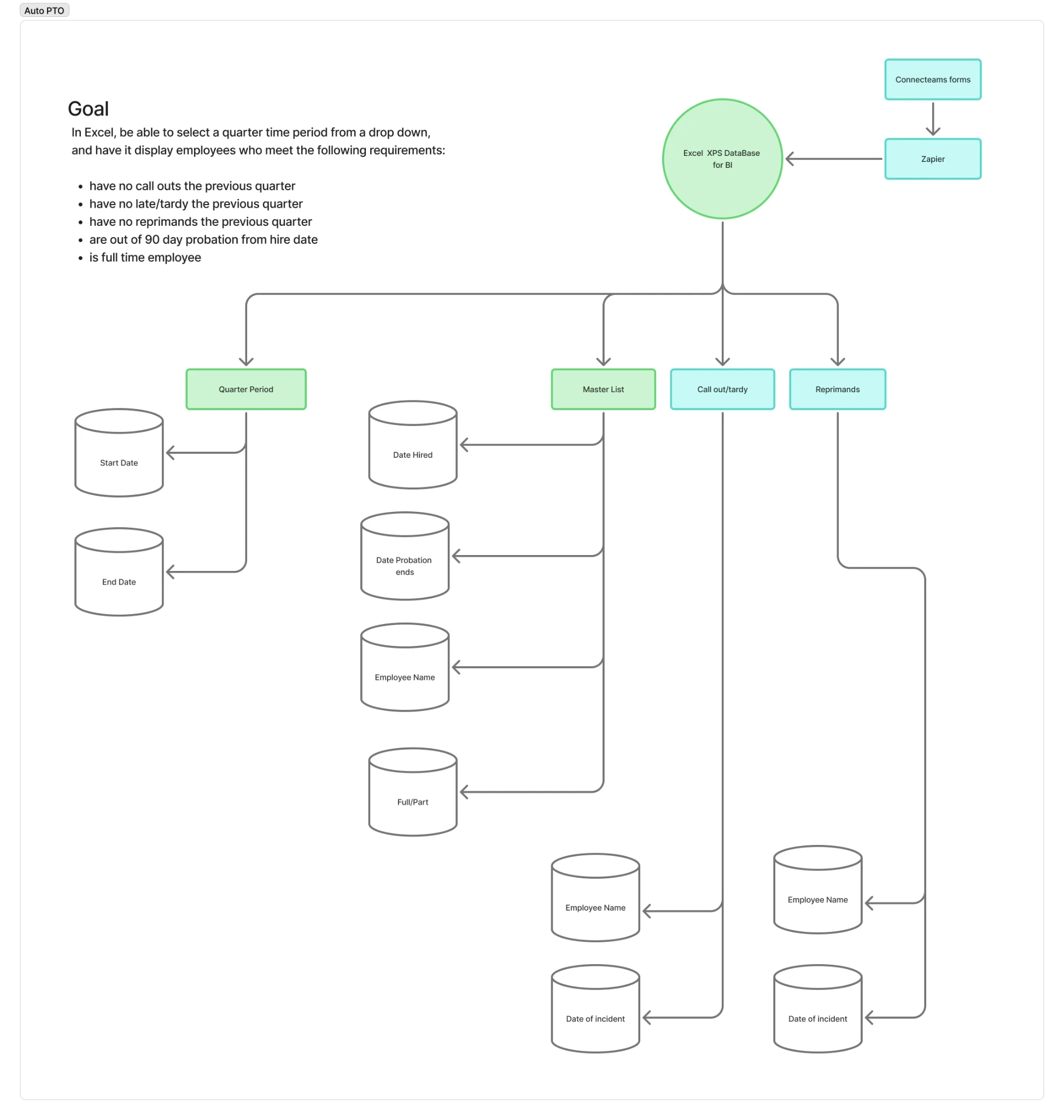
PTO eligibility data map: Connecteam forms flow through Zapier into one Excel database checked against five eligibility rules.
Design diagram

I started in graphic and web design, moved into enterprise product in 2021 with clients like Mitsubishi Power, and grew into a Lead role at Savage Innovations. Since 2025, I've been building internal tools, dashboards, and AI workflows for a growing security services company. The common thread is complicated work people depend on every day.

More about me

More about me

12+

Years in design

5+

Years in enterprise product design

15+

Products and platforms shipped

Impact

Team lead experience, still hands-on.

I've built and run a design team, and I still do the hands-on work, from the first conversation through launch.

Design leadership

Built the design department at Savage Innovations: mentored a team of up to three designers, wrote the SOPs and QA standards we ran on, and weighed in on executive decisions.

Savage Innovations website using the brand system I designed.

EcoGlobe intake

83%

Faster intake

87%

Fewer entry errors

EcoGlobe tablet intake screen for entering an item's lot number.

AI Proposal Assistant

Five mobile screens showing the Proposal Assistant workflow from rough job notes to a finished proposal.

2+ hrs → 10 min

From rough job notes to a finished proposal

DRAC Mobile
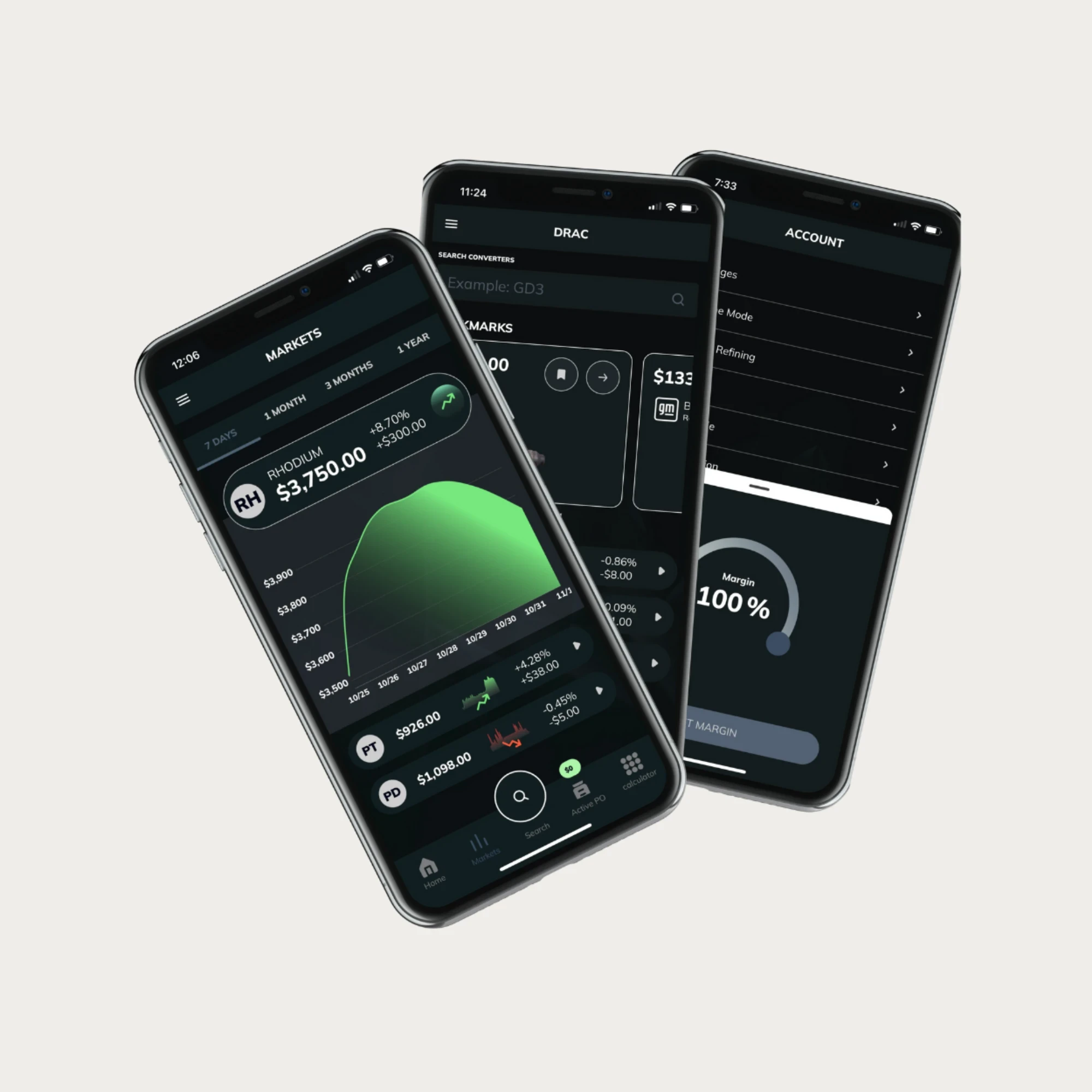
Three redesigned DRAC mobile screens showing market pricing, converter search, and account settings.

70%

Fewer usability complaints, client-reported

How I work

Most of the work happens before the screens.

Every project's a little different, but most of them go something like this.

0

1

Untangle

Talk to people, watch the work, and ask the questions everyone stopped asking.

0

1

Untangle

Talk to people, watch the work, and ask the questions everyone stopped asking.

0

2

Map

Figure out how people, processes, rules, and systems interact, weird edge cases included.

0

2

Map

Figure out how people, processes, rules, and systems interact, weird edge cases included.

0

3

Define

Decide what needs to change and what doesn't. Sometimes the fix isn't a new tool.

0

3

Define

Decide what needs to change and what doesn't. Sometimes the fix isn't a new tool.

0

4

Carry through

Stay with it through implementation, QA, and launch, then check whether it worked.

0

4

Carry through

Stay with it through implementation, QA, and launch, then check whether it worked.

FAQ

A few things about how I work

A few things about how I work

Are you an individual contributor or a lead?

I'm a senior IC who has also led a team. At Savage Innovations I was promoted to Lead, built the design department, mentored designers, and interviewed candidates, and I kept doing hands-on design the whole time. I'm most useful owning a problem from early discovery through launch and bringing the right people in along the way.

How do you know if a design worked?

I try to agree early on what "worked" means. Sometimes it's time and errors: on EcoGlobe, intake processing went from about six minutes to one, and entry errors dropped from 15 to 2 per 100. Sometimes it's adoption, like a tool people actually use instead of working around. When I can't measure directly, I say so, use the best signal available, like client feedback, and label it that way.

How do you work with product, engineering, and stakeholders?

I bring in the people who understand different parts of the problem early. Stakeholders know the business pressure, engineering knows where the system will push back, and the people doing the work know where the real friction is. My job is to pull those pieces together, make the tradeoffs visible, and keep everyone working from the same picture.

How do you use AI in your work?

As a tool, not a decision-maker. I use it for synthesis, drafting, prototyping, and automating repetitive work, and I've designed and built AI-enabled tools. On the AI Proposal Assistant, the assistant asks for missing details instead of guessing, so a proposal never contains invented information. A lot of designing with AI is deciding where to constrain it, how to verify the output, and when a simple rule works better.

How involved are you after design?

Very, as far as the scope allows. The work isn't finished when the screens are approved. I stay involved through requirements, edge cases, permissions, implementation questions, and design QA, and sometimes UAT, so what ships still solves the problem we started with.

What do you do when you can't talk to users directly?

It happens more than people admit. On DRAC, buyers weren't comfortable having a designer ride along, so the project manager and lead engineer observed in the field, and I worked from their notes, customer feedback, and a full audit of the existing app. I kept the familiar patterns that worked and focused on the parts that were clearly broken. When I can get in the room, I do. On EcoGlobe, watching people work on the floor changed the whole project.

Are you an individual contributor or a lead?

I'm a senior IC who has also led a team. At Savage Innovations I was promoted to Lead, built the design department, mentored designers, and interviewed candidates, and I kept doing hands-on design the whole time. I'm most useful owning a problem from early discovery through launch and bringing the right people in along the way.

How do you know if a design worked?

I try to agree early on what "worked" means. Sometimes it's time and errors: on EcoGlobe, intake processing went from about six minutes to one, and entry errors dropped from 15 to 2 per 100. Sometimes it's adoption, like a tool people actually use instead of working around. When I can't measure directly, I say so, use the best signal available, like client feedback, and label it that way.

How do you work with product, engineering, and stakeholders?

I bring in the people who understand different parts of the problem early. Stakeholders know the business pressure, engineering knows where the system will push back, and the people doing the work know where the real friction is. My job is to pull those pieces together, make the tradeoffs visible, and keep everyone working from the same picture.

How do you use AI in your work?

As a tool, not a decision-maker. I use it for synthesis, drafting, prototyping, and automating repetitive work, and I've designed and built AI-enabled tools. On the AI Proposal Assistant, the assistant asks for missing details instead of guessing, so a proposal never contains invented information. A lot of designing with AI is deciding where to constrain it, how to verify the output, and when a simple rule works better.

How involved are you after design?

Very, as far as the scope allows. The work isn't finished when the screens are approved. I stay involved through requirements, edge cases, permissions, implementation questions, and design QA, and sometimes UAT, so what ships still solves the problem we started with.

What do you do when you can't talk to users directly?

It happens more than people admit. On DRAC, buyers weren't comfortable having a designer ride along, so the project manager and lead engineer observed in the field, and I worked from their notes, customer feedback, and a full audit of the existing app. I kept the familiar patterns that worked and focused on the parts that were clearly broken. When I can get in the room, I do. On EcoGlobe, watching people work on the floor changed the whole project.

Artistic profile portrait of a woman with ethereal motion blur in orange and teal tones.
background image of dark purple fading

Hiring a senior designer for complicated work?

Let's talk. Bonus points if something in your system makes no sense yet.

Contact me

Contact me

Contact me

background image of dark purple fading

Hiring a senior designer for complicated work?

Let's talk. Bonus points if something in your system makes no sense yet.

Contact me